
Language exchange — also called tandem learning — connects two speakers with different native languages for mutual practice. One person practises the other's language, then they switch. In Poland's major cities, this format is available through in-person meetups, language schools, and digital platforms.
The Tandem Format
A typical tandem session is divided into two equal halves. During the first, one participant speaks in their target language while the other corrects, clarifies, and responds naturally. In the second half, the roles reverse. Sessions range from 60 to 120 minutes and are typically held weekly or fortnightly.
The format works because both participants benefit without either party being in a purely instructional role. Native speakers provide natural input and correction; learners provide the same for their partner. The relationship is symmetric, which tends to make the exchange sustainable over time.
Warsaw
Warsaw hosts the largest concentration of language exchange activity in Poland, consistent with its status as the country's economic and cultural centre. Several café chains in the Śródmieście and Praga districts have hosted regular language exchange evenings. Expat communities — particularly English, German, French, and Spanish speakers — are well established in the city, providing a natural pool of native-speaker partners.
Meetup.com lists several recurring Warsaw language exchange groups, including English-Polish, Spanish-Polish, and French-Polish formats. Events at café spaces in Powiśle and Mokotów are particularly active.
Kraków
Kraków's large student population, centred around the Jagiellonian University and AGH University of Science and Technology, sustains active language exchange networks. The Kazimierz district is a common setting for informal exchanges. The Erasmus+ programme brings substantial numbers of international students each semester, creating demand for Polish-language practice that can be matched with Poles seeking European language partners.
Wrocław
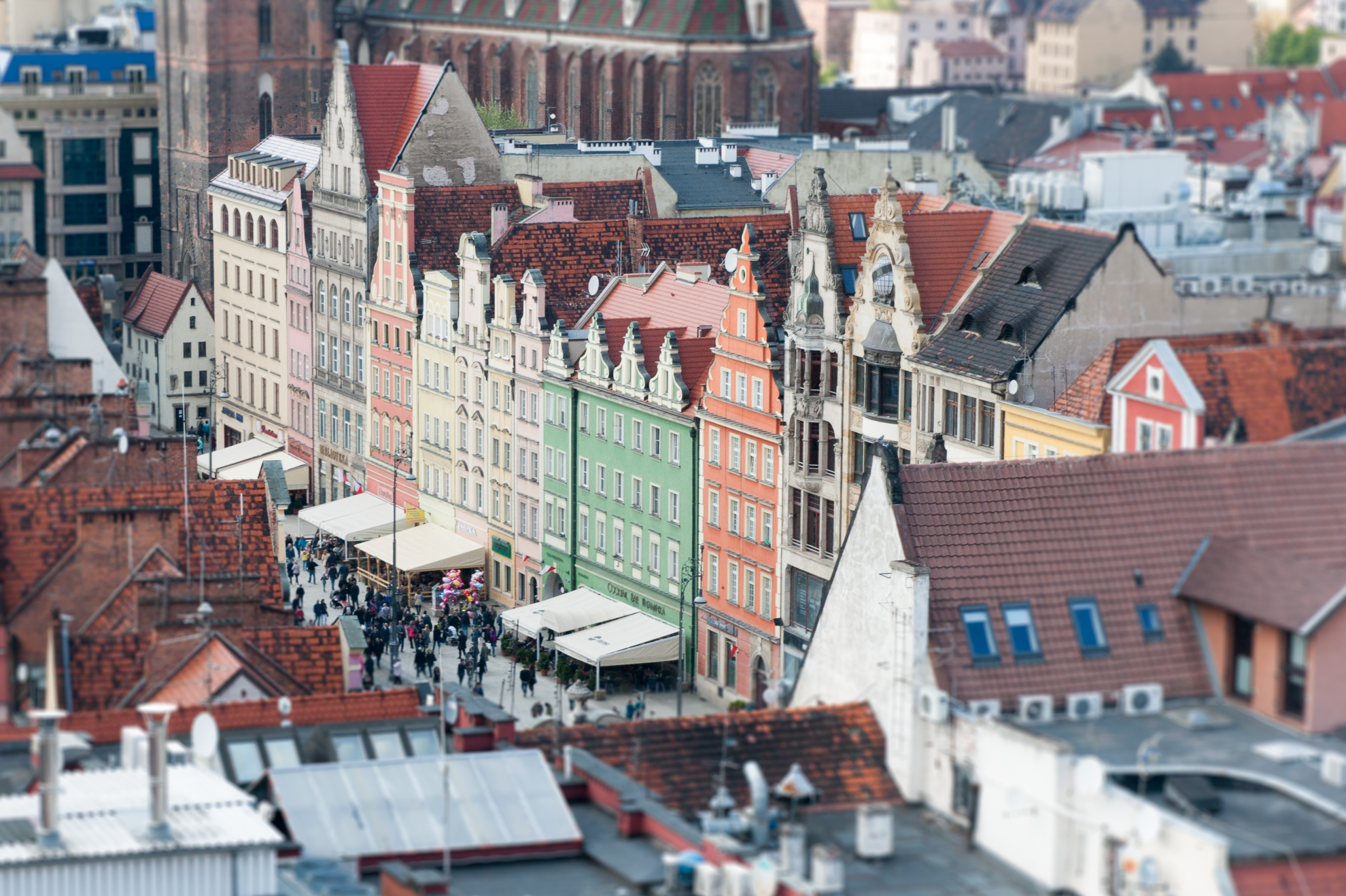
Wrocław's University of Wrocław and Wrocław University of Science and Technology attract international students, particularly from Germany, Ukraine, and Spain. The proximity to the German border means German-Polish exchanges are especially common. The Rynek (Market Square) area hosts cafés that have historically served as informal exchange venues.
Online Platforms
Digital platforms significantly expand the pool of available exchange partners beyond local geography:
- Tandem: A dedicated language exchange app matching users by target language and native language. Text, voice, and video sessions are supported. Available in both free and premium tiers.
- HelloTalk: A social-network style platform for language exchange, with translation tools built into the chat interface.
- iTalki Community: Primarily a tutor marketplace, but the community section facilitates language partner connections at no cost.
- Conversation Exchange (conversationexchange.com): A directory-based platform connecting learners for email, chat, and video exchanges.
Practical Notes for Participation
Several factors affect the quality of exchange sessions:
- Level matching: Significant level asymmetry — where one partner is near-native and the other is a beginner — tends to reduce effectiveness. Most participants find exchanges most productive at B1 level and above.
- Topic preparation: Arriving with prepared topics or vocabulary goals reduces the cognitive load of managing conversation and grammar simultaneously.
- Correction style: Agreeing in advance on whether to correct in real time or after a passage of speech prevents mismatched expectations and interruptions.